Play-Doh
A scent you can remember
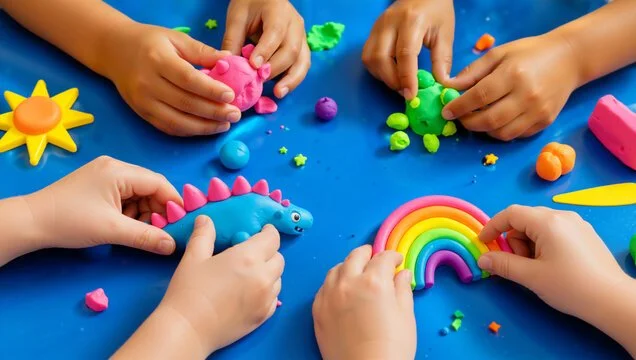
The smell of play-doh is associated with the olfactory system, but it’s nostalgia comes from a plethora of sensory input such as vibrant color from visual cues and soft feel from touch sensation. Part of what makes Play-Doh so memorable is its distinct smell, which was actually trademarked in 2018 due to its worldwide popularity. As we know, smells are particularly good at evoking emotional memories. Often, play-doh is associated with playing as a child, reminding the smeller of their childhood and the pleasure that came from playing with the substance. When airborne molecules enter our olfactory system, it’s passed through the olfactory epithelium which initiates sensory transduction, letting the airborne particles to be sensed as neural signals. These signals are then transmitted to the olfactory bulb and processed by brain regions. Such brain regions and the olfactory system as a whole is close to the amygdala and hippocampus associated with emotional processing and memory. This may be why smell is so significantly linked to emotional memory (Stephenson, 2026).
The Proust Phenomenon
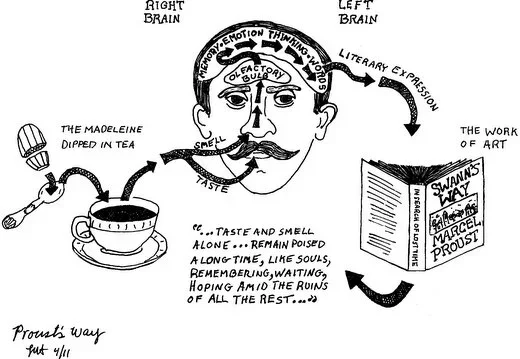
Additionally, the Proust phenomenon in which odors evoke emotionally significant autobiographical memories supports this hypothesis. It was found that odor-evoked memories tended to make participants feel more "brought back" to the original event than other stimuli (Herz and Schooler, 2002). Smellers may have a similar effect occur when smelling play-doh, which stimulates the olfactory system and evokes feelings of nostalgia, happiness, fun, and play. Additionally, allowing the visitor to mold the play-doh and smell it in real time, they will be involving themselves in play while simultaneously getting that nostalgic feeling.